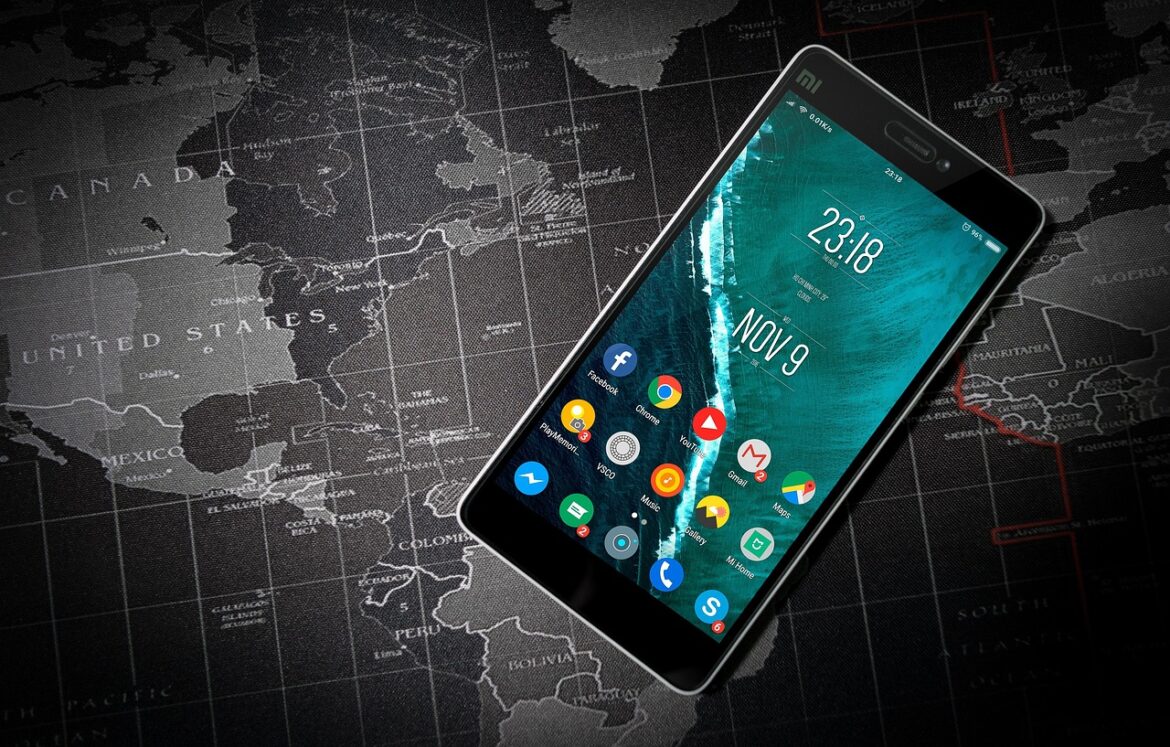
Mental health is no longer viewed through an old, narrow lens. In 2025-26, innovative services are reshaping how we understand and support it, blending technology, continuous care, and real-world practice.
1. AI-Powered Therapy: Friend, Not Replacement
The biggest buzz surrounds artificial intelligence chatbots offering cognitive behavioral therapy and mental wellness guidance. But Missouri psychiatrist Dr. Arpit Aggarwal warns, AI chatbots are tools—not therapists. They can be a helpful first step or supplement, especially where human therapists are scarce, but lack empathy and emotional reading essential in mental health care. Leading psychologists partner with developers to ensure AI supports rather than replaces human connection, balancing tech capabilities with trust and confidentiality.
2. Continuous, Always-On Care Models
Gone are the days when a single therapy session was enough. Spring Health CEO April Koh highlights “Continuous Care,” where mental health support journeys extend beyond in-person visits to digital nudges, coaching, and self-help resources between sessions. This sustained engagement approach helps employees and individuals manage ongoing challenges, reducing gaps in treatment and improving outcomes.
3. Mental Health Apps Gain Ground Globally
Mental health and wellness smartphone apps continue to rise worldwide, especially in the Middle East and North Africa, where stigma often limits seeking help. These apps provide accessible, anonymous support customized for cultural sensitivities and languages. With strong digital infrastructure in Gulf countries, these tools are becoming mainstream complements to traditional care.
4. Addressing Youth Mental Health Surge
Studies show a 9-year increase in anxiety and depression diagnoses among children and teens, particularly in stress- and trauma-related disorders. Community programs funded by mental health agencies adapt by expanding trauma-informed care frameworks and offering specialized support to meet this growing need.
5. Social Media’s Double-Edged Sword
While social platforms are vital social lifelines, their impact on mental health is complex. Nearly half of teens see negative effects among peers, with increased anxiety, depression, and ADHD symptoms linked to heavy use. Yet, over 70% of people with serious mental health issues use social media for peer support, illustrating how technology can both challenge and support mental wellness.
Why Does This Matter?
Mental health services today resemble a well-tuned orchestra where technology, continuous engagement, empathy, and cultural understanding each play a part. Just like a gardener tending varied plants, today’s innovators nurture mental wellness through a mix of digital tools and human touchpoints. The key is balance.
From AI chatbots assisting stressed teens to apps breaking stigma barriers, and continuous care models safeguarding worker well-being—these trends offer practical, relatable ways mental health is becoming more accessible and personalized. Keeping an eye on these services can benefit employees, families, and communities aiming to thrive in a complex world.
Remember: mental health is not a one-time fix but a lifelong garden to cultivate with care, support, and innovative tools.
References:
- https://insights.made-in-china.com/Why-Are-Psychologists-the-Secret-Architects-of-Our-Future-What-2025-s-Surprising-Mental-Health-Trends-Reveal_OfcankQhRmDR.html
- https://www.springhealth.com/blog/2026-mental-health-trends-for-your-workplace
- https://www.worldhealthexpo.com/insights/medical-technology/are-mental-health-and-wellness-apps-really-helping-consumers
- https://www.missourinet.com/2025/11/07/ai-chatbots-and-mental-health-missouri-expert-warns-of-rising-teen-use/
- https://pubmed.ncbi.nlm.nih.gov/39842630/?fc=None&ff=20251101144126&v=2.18.0.post22+67771e2
- https://www.singlecare.com/blog/social-media-and-mental-health-statistics/
- https://www.who.int/health-topics/mental-health